There are few foods more deeply woven into Turkish street culture than midye dolma - stuffed mussels. Walk through any coastal city in Turkey on a summer evening and you will encounter vendors selling these rice-filled mussels from rolling carts, each one carefully opened, squeezed with lemon, and consumed in a single bite. It is fast food at its most elemental: no packaging, no brand name, no nutritional label. Just a mussel, rice, and trust.
As a seafood scientist who has studied mussel quality for over a decade, that trust is something I take very seriously. Because the science tells a more nuanced story than most consumers realize.
A Food with Deep Historical Roots
The recipe for midye dolma first appeared in print in 1844, in Melceü't-Tabbahin (The Cook's Refuge) by Mehmet Kamil - the first published Turkish cookbook. Listed under "Chapter Nine: Olive Oil and Butter Dolmas," the recipe describes what we would recognize today as essentially the same dish served on Turkish streets.
This means midye dolma has been a documented part of Turkish gastronomy for at least 181 years. Its entry into our food culture coincided with the broader adoption of seafood cuisine following the Ottoman conquest of Istanbul, when access to the rich marine resources of the Bosphorus and the Sea of Marmara transformed eating habits across the empire.
"Midye dolma is not merely a snack - it is a national fast food, a cultural artifact, and one of the oldest continuously consumed street foods in the Mediterranean basin."
In my 2018 publication in Ziraat Mühendisliği, I explored both the cultural significance and the future potential of midye dolma as a commercial ready-to-eat product. The conclusion was clear: this traditional food has enormous potential for industrial development, but only if food safety challenges are addressed systematically.
The Mussel's Superpower - and Its Vulnerability
To understand the food safety profile of mussels, you need to understand how they feed. Mussels are filter feeders - they survive by pumping large volumes of seawater through their bodies, extracting microscopic food particles, phytoplankton, and nutrients from the water column.
A single mussel can filter approximately 50-80 liters of seawater per day. This extraordinary filtration capacity is what makes mussels ecologically valuable - they literally clean the water they live in. But it is also what makes them potential concentrators of whatever else is in that water.
The Filter Feeding Paradox
The very mechanism that makes mussels nutritionally rich - their ability to concentrate nutrients from vast volumes of water - is the same mechanism that can concentrate pollutants, heavy metals, pathogenic bacteria, and microplastics. Where a mussel grows determines what it accumulates.
When mussels grow in clean, monitored waters, their filtration produces a safe, protein-rich, nutrient-dense food. When they grow in unmonitored waters near industrial discharge, sewage outflows, or heavily trafficked shipping lanes, they can accumulate contaminants to levels that exceed safety thresholds.
What the Data Shows: Risks in Street-Sold Midye Dolma
Multiple scientific studies conducted across Turkish cities have documented that a significant proportion of street-sold midye dolma exceeds acceptable limits for both microbiological load and heavy metal contamination.
The primary risk factors identified in the literature include:
- Uncontrolled harvesting: Mussels collected from unapproved waters where contamination levels are unknown
- Temperature abuse during sales: Post-cooking temperature fluctuations that allow rapid bacterial multiplication
- Unknown provenance: Mussels sold without any traceability to their harvesting location
- Extended display times: Midye dolma kept at ambient temperature for hours, particularly in warm weather
A 2025 study by Akkaya et al. examining fishery products and mussels from the Marmara Region found Listeria monocytogenes and Salmonella spp. presence alongside elevated heavy metal levels in samples - confirming that the concerns documented in earlier studies remain relevant.
The Good News: Turkish Mussel Farming is Growing Fast
The most encouraging development in recent years is the dramatic growth of controlled mussel aquaculture in Turkey. According to TÜİK (Turkish Statistical Institute) 2024 data:
- Wild mussel harvesting: 1,534.3 tons - a decrease of 39.3% compared to 2023
- Mussel aquaculture (farming): 11,320 tons - an increase of 29.5% compared to 2023
This is a significant shift. Wild harvesting is declining while controlled farming is surging. Farmed mussels are grown in designated, monitored waters under the supervision of the Ministry of Agriculture and Forestry. Their provenance is documented, their water quality is tested, and their safety profile is substantially better than wild-caught mussels of unknown origin.
By the Numbers (TÜİK 2024)
11,320 tons of farmed mussels produced in Turkey (up 29.5% year-over-year)
1,534 tons of wild mussel harvest (down 39.3%)
The ratio of farmed-to-wild is now approximately 7.4 to 1 - a healthy trend toward controlled, traceable production.
A Consumer's Guide to Safe Midye Dolma
Based on the scientific evidence, here are four practical guidelines for safe consumption:
- Question the source. Choose mussels from controlled aquaculture facilities approved by the Ministry of Agriculture and Forestry. Ask your vendor where their mussels come from. If they cannot answer, consider walking away.
- Avoid uncontrolled harvesting. Mussels from unmonitored waters carry unknown risks of heavy metal and microbiological contamination. The lower price is not worth the health risk.
- Pay attention to sales conditions. Do not purchase midye dolma displayed in direct sunlight, without refrigeration, or from vendors whose hygiene practices appear questionable. Cold chain maintenance is essential.
- Check for freshness indicators. Do not consume mussels that smell sour, appear discolored, or give any indication of spoilage. Trust your senses - they evolved precisely for this purpose.
The Future: Midye Dolma as a Commercial Product
In my research, I have explored the potential for midye dolma to transition from an informal street food to a commercially standardized, packaged product. The advantages would be significant:
- Traceable supply chain: Farm-to-consumer documentation of origin and handling
- Controlled production: HACCP-compliant preparation in licensed facilities
- Cold chain integrity: Proper packaging with temperature monitoring
- Shelf life extension: Modified atmosphere packaging or vacuum packaging to extend safety window
- Export potential: A standardized product could be marketed internationally as a unique Turkish delicacy
The technology for this transformation already exists. What is needed is the commercial will to invest in production infrastructure and the regulatory framework to support it. Projects like our DENGiZ collaboration with Migros demonstrate that industry-academic partnerships can bridge this gap.
A Personal Note
I grew up eating midye dolma from street vendors, as did virtually every Turkish person who has lived in a coastal city. This is not an article designed to scare anyone away from a food that brings joy to millions. It is an article designed to empower consumers with knowledge.
The science is clear: mussels from controlled, monitored aquaculture are safe and nutritious. The Turkish mussel farming sector is growing rapidly, and with it, the availability of traceable, safe mussels. Choose wisely, ask questions, and enjoy one of the world's great street foods with confidence.
"181 years of culinary tradition deserves 21st-century food safety standards. The good news is that Turkey's mussel farming industry is making exactly that transition."
References
- Ayvaz, Z. (2018). "As a traditional food 'stuffed mussel' (Midye Dolma) and its future aspect." Ziraat Mühendisliği, (366), 21-27.
- Ayvaz, Z. (2025). "Midye Dolma: Güvenli Tüketim İçin Pratik Rehber." Ordu'da Gıda Güvenliği, Sayı 46, 1-2.
- Akkaya, E. et al. (2025). "Determination of Heavy Metal Levels and Assessment of L. monocytogenes and Salmonella spp. Presence in Fishery Products and Mussels from the Marmara Region, Türkiye." Toxics, 13(3), 153.
- Acar Tek, N. & Sürücüoğlu, M.S. (2014). "Basılmış olan ilk Türk yemek kitabı Melceü't-Tabbahin." Gazi Türkiyat, 14, 225-229.
- TÜİK (2025). Su Ürünleri İstatistikleri, 2024.
- Cayir, A. et al. (2012). "Evaluation of Metal Concentrations in Mussel M. galloprovincialis in the Dardanelles Strait, Turkey." Bulletin of Environmental Contamination and Toxicology.
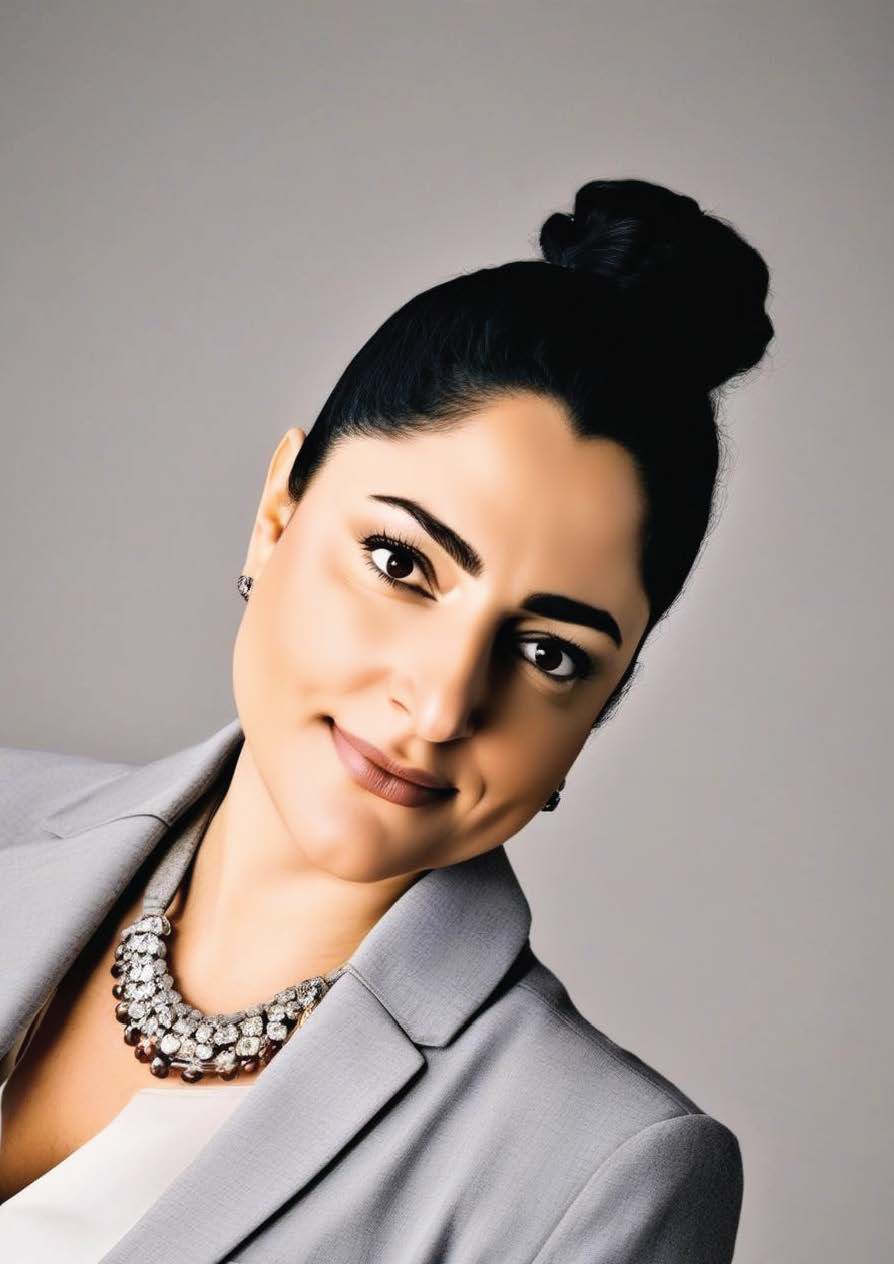
Prof. Dr. Zayde Ayvaz
Professor of Fisheries Industry Engineering at ÇOMÜ. Author of the original research on midye dolma as a commercial product and food safety assessment using computer vision and spectroscopy.